Cultural views on gambling how beliefs shape behaviors worldwide
Historical Perspectives on Gambling
The history of gambling spans across cultures and civilizations, revealing a rich tapestry of beliefs and practices. In ancient Rome and Greece, gambling was often associated with fate and divine intervention, reflecting a cultural reverence for the unpredictable nature of luck. The act of rolling dice or betting on games was not merely a pastime; it was seen as a way to engage with the gods, showcasing a blend of spirituality and social interaction. These ancient practices laid the groundwork for modern gambling, intertwining it with cultural rituals and societal norms. Today, many Australians are exploring options such as payid australian casino to enhance their gaming experience.
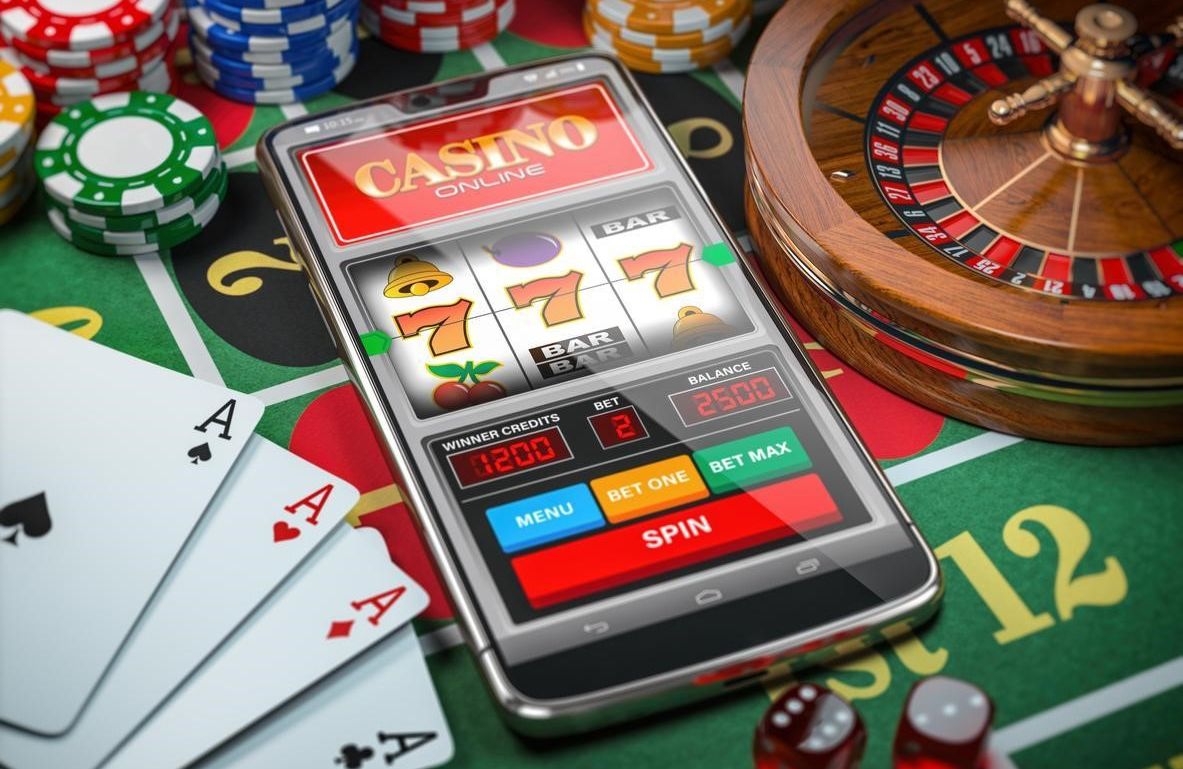
In contrast, various societies have held negative views toward gambling. For instance, during the Middle Ages in Europe, gambling was frequently condemned by religious leaders as a sin. This moral disapproval stemmed from the belief that gambling promoted greed and distracted individuals from their spiritual duties. Such societal attitudes shaped the laws governing gambling, leading to restrictions and, in some cases, outright bans in certain regions. The interplay between cultural beliefs and legal frameworks demonstrates how societal norms can evolve and influence gambling behaviors across history.
Today, these historical views continue to inform contemporary attitudes toward gambling. While some cultures embrace it as a form of entertainment and socialization, others maintain strict prohibitions. For example, in many Islamic countries, gambling is entirely forbidden, based on religious doctrines that view it as morally wrong. This historical context highlights the diverse cultural landscapes surrounding gambling, shaping individuals’ perceptions and behaviors toward this activity in profound ways.
Cultural Beliefs and Attitudes Towards Gambling
Cultural beliefs play a significant role in shaping attitudes toward gambling, influencing whether it is viewed positively or negatively. In countries like Australia and the United States, gambling is often perceived as a recreational activity, a form of entertainment that is socially accepted and even celebrated. Here, the promotion of responsible gambling initiatives reflects a broader cultural acceptance, allowing individuals to engage in gaming without stigma. This acceptance is often tied to the belief in personal freedom and choice, highlighting a more liberal approach to gambling.
Conversely, in many Asian cultures, gambling is often intertwined with traditions and social gatherings, yet it is accompanied by a sense of caution. In countries like China, gambling has historical roots linked to festivals and celebrations, yet there is also an awareness of its potential consequences. This duality is evident in the popularity of games like Mahjong during family gatherings, where the emphasis is placed on enjoyment rather than financial gain. Such cultural perspectives foster a nuanced understanding of gambling, recognizing both its social benefits and risks.
Moreover, the impact of cultural beliefs can lead to various community responses to gambling. In regions where gambling is viewed negatively, grassroots movements often arise to address gambling addiction and its societal effects. Education programs, counseling services, and community outreach initiatives reflect a collective effort to mitigate the negative impacts of gambling. This cultural responsiveness underscores the importance of community values and beliefs in shaping gambling behaviors and policies worldwide.
Regional Differences in Gambling Practices
The diversity in gambling practices across regions illustrates how cultural views shape behaviors uniquely. In Northern Europe, for instance, there is a high acceptance of lotteries and sports betting, with governments often regulating these activities to ensure fairness and integrity. Scandinavian countries have developed extensive frameworks that promote responsible gambling, reflecting a cultural commitment to social welfare. Here, the belief in community responsibility informs both policy and individual behavior, creating a balanced approach to gambling.
In contrast, regions such as Latin America present a different picture, where gambling often exists in a gray area between legality and illegality. In countries like Brazil, gambling laws have historically been restrictive, yet underground gambling operations flourish, reflecting a complex relationship with the activity. Cultural beliefs regarding risk and luck significantly influence individual participation in these underground markets, illustrating how societal norms can diverge from legal frameworks.
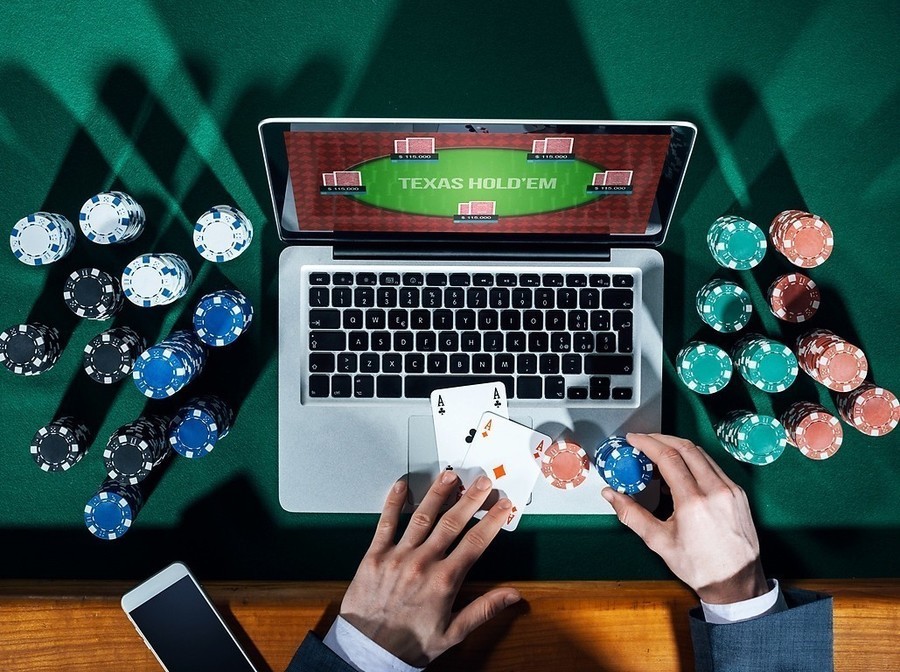
Furthermore, the rise of online gambling has led to global shifts in behaviors, transcending regional boundaries. The accessibility of digital platforms has allowed individuals from various cultural backgrounds to engage in gambling in ways that were previously unavailable. This phenomenon raises questions about how cultural beliefs will adapt to the increasing normalization of online gambling and its implications for future behaviors. The integration of technology into gambling represents a significant cultural shift, prompting further exploration of how beliefs evolve in response to changing contexts.
Psychological Factors Influencing Gambling Behavior
Understanding the psychological factors that underpin gambling behavior reveals how deeply intertwined these activities are with cultural beliefs. Many individuals engage in gambling as a means of escapism, seeking relief from stress, boredom, or personal difficulties. This psychological aspect is often shaped by cultural narratives that associate risk-taking with excitement or adventure. For instance, in cultures that celebrate competition and reward risk-taking, gambling may be seen as a natural extension of these values, influencing individuals to partake in such activities more readily.
Moreover, cognitive biases, such as the illusion of control, play a crucial role in shaping gambling behavior. Many gamblers believe they can influence the outcome of games through skill or strategy, a belief that is often reinforced by cultural narratives celebrating winners and success stories. This can lead to an overestimation of one’s abilities, further driving engagement in gambling activities. The interplay between culture and psychology underscores the complexity of gambling behaviors, suggesting that addressing these issues requires an understanding of both individual and societal influences.
Additionally, social norms surrounding gambling can reinforce psychological motivations. In cultures where gambling is widely accepted, social circles may encourage participation as a way to bond and connect. Conversely, in societies with prohibitive attitudes, individuals may experience shame or guilt for engaging in gambling, impacting their overall mental health. The psychological ramifications of these cultural attitudes highlight the need for a nuanced approach to understanding gambling behavior, emphasizing the importance of addressing both psychological and cultural factors in any intervention.
Conclusion: Understanding Global Gambling Culture
Exploring the cultural views on gambling reveals a complex interplay between beliefs and behaviors worldwide. From historical contexts to modern psychological factors, it becomes evident that gambling is not merely a recreational activity but a reflection of deep-rooted cultural values. These perspectives shape how societies perceive risk, luck, and the morality of gambling, leading to varied practices and regulations across different regions.
As globalization continues to influence cultural dynamics, the landscape of gambling will likely evolve, presenting new challenges and opportunities. Understanding these cultural nuances is essential for policymakers, communities, and individuals to navigate the complexities of gambling responsibly. By fostering a greater awareness of cultural beliefs, we can promote healthier gambling behaviors and mitigate the risks associated with problem gambling.